No products in the cart.
Why Sam Spratt’s Art Isn’t Just Whale Hype – It’s the Storytelling We Actually Crave (And Pay For)
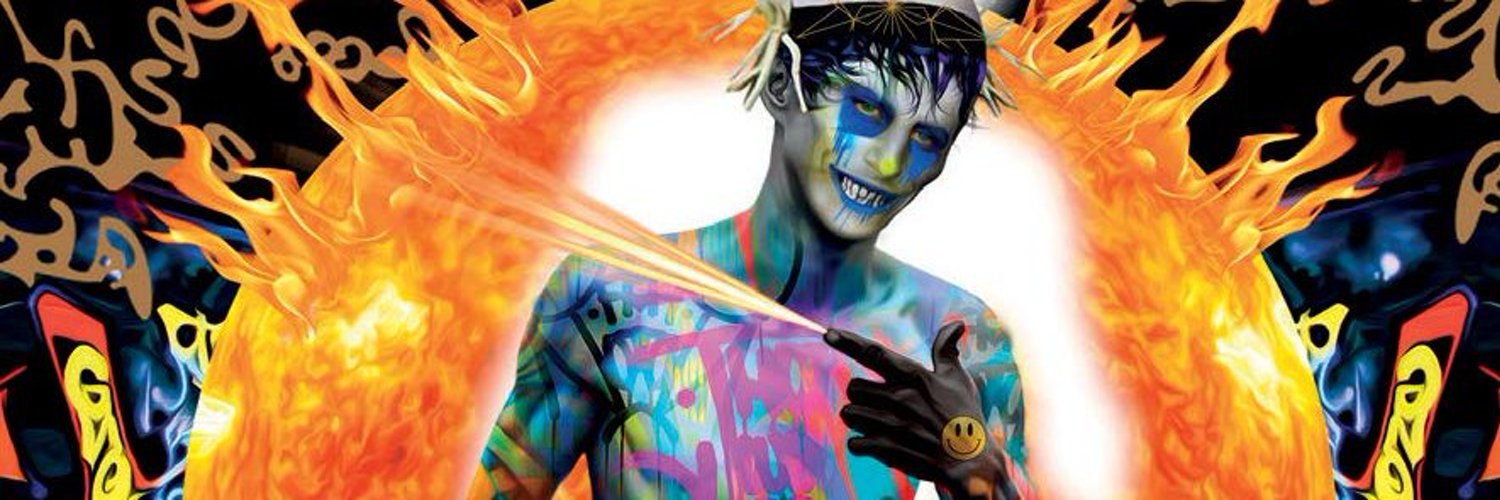
Hey folks, let’s talk about something that’s been buzzing in the art world like a caffeinated bee: Sam Spratt. If you’re not familiar, Sam is this ridiculously talented New York-based artist who’s been slinging digital masterpieces for over a decade. Think hyper-realistic portraits that make you do a double-take, album covers for hip-hop legends like Kid Cudi and Logic, and even lifelike oil paintings of Angry Birds characters that went viral back in the day. But lately, he’s been diving headfirst into this epic project called LUCI – a series of digital paintings wrapped in psalms, poetry, and a sprawling narrative about humanity rediscovering our values in a post-apocalyptic, tech-drenched world. It’s like if Dante’s Inferno hooked up with a sci-fi graphic novel and had a love child with blockchain.
Now, the burning question floating around (and yeah, the one that inspired this post): Do people really buy Sam Spratt’s artwork for the art itself, or is it all just a flashy cocktail of storytelling, poetry, and “whale hype”? You know, those mysterious big-money collectors – the whales – who splash millions on NFTs like it’s confetti at a billionaire’s birthday party. Is LUCI a genuine artistic triumph, or just clever marketing wrapped in ethereal vibes? Spoiler: It’s a bit of both, but in the best way possible. Buckle up; I’m about to break it down with some laughs, a dash of history, and zero pretentious art-speak. Promise.
First Off: Who the Heck Is Sam Spratt, and Why Should You Care?
Picture this: It’s 2012, and Sam’s painting hyper-realistic portraits of video game characters and pop culture icons. His “Pig in the Dark” – a brooding oil painting of the Foreman Pig from Angry Birds – blows up online. Rovio (the game’s creators) slides into his DMs, and suddenly his work is unlocking profile pics in Angry Birds 2. Fast-forward, and Sam’s illustrating for The Walking Dead comics, designing key art for TV shows, and yeah, crafting those iconic album covers. Kid Cudi’s Man on the Moon III? Sam’s brushstrokes. Logic’s moody visuals? Ditto.
But Sam’s no sellout. He’s always chased that tactile, human feel in digital spaces. Enter LUCI in 2021: 10 (and counting) digital paintings, each paired with poetic “psalms” that weave a story of pilgrimage, redemption, and shaking off our dissociated, screen-addicted selves. It’s not just pretty pixels; it’s a narrative about “palingenesis” – rebirth from our collective screw-ups. Sold as NFTs on platforms like SuperRare and Nifty Gateway, the series has raked in over $6.2 million in primary sales and another $6.2 million on the secondary market. That’s serious coin for digital files. But is it the art, the story, or the hype?
The “Whale Hype” Angle: Because Nothing Says ‘Art’ Like Million-Dollar FOMO
Let’s get real – the NFT world in 2021 was peak Wild West. Crypto bros were dropping Ethereum on pixelated apes and laser-eyed dogs faster than you can say “to the moon.” Whales (those deep-pocketed investors who could buy a yacht with their lunch money) were the kings of the casino. Sam’s LUCI drop? It hit Christie’s auction house as the top lot, fetching eye-watering prices. Why? Hype, baby! The blockchain buzz, the exclusivity (only 10 pieces so far, each on-chain and immutable), and that sweet scarcity model made it feel like owning a slice of the future.
But here’s the funny part: Imagine a whale – let’s call him Whalebert, a tech mogul with more zeros in his bank account than friends on his socials – staring at his screen. He’s not just buying a JPEG; he’s buying into a “council” (Sam’s term for his top collectors) and a game-like structure where engagement tiers unlock more story bits. It’s like Pokémon cards meet a choose-your-own-adventure book, but with real money. Critics snicker: “It’s all hype! No one’s buying the art; they’re buying the sizzle.” And sure, during the 2022 crypto winter, NFT prices tanked like a bad Tinder date. Some LUCI derivatives (those bonus “Skulls of Luci” NFTs Sam gifted to bidders) are worth peanuts now. Ouch.
Yet, poke fun all you want – that hype isn’t baseless. Sam’s Venice Biennale exhibit in 2024, “The Monument Game,” brought his digital world crashing into the traditional art scene. Curated with big-shot collector Ryan Zurrer, it was Sam’s first physical show, blending LUCI’s themes with monumental installations. Whales didn’t just fund it; they helped legitimize it. Educational nugget: In art history, hype has always been a thing. Remember the Dutch Tulip Mania of 1637? People went nuts over bulbs, trading houses for flowers. Or how Jean-Michel Basquiat’s graffiti scribbles now sell for $110 million? Hype amplifies value, but it doesn’t create it from thin air.
But Wait – It’s the Storytelling and Poetry That Hooks You (And Your Wallet)
Okay, hype gets the whales in the door, but what keeps the art alive? The story, dummy! Sam’s not peddling static images; LUCI is an evolving epic. Each painting – think intricate digital oils of fractured figures on pilgrimages – comes with poetic psalms that read like ancient scripture meets modern therapy session. “The path out,” he calls it, exploring how we claw back humanity in a world of algorithms and isolation. It’s educational AF: Drawing from philosophy (hello, Seneca references), spirituality, and even blockchain’s ethos of preserving human records eternally.
Humor me for a sec: If LUCI were a bad blind date, it’d be the guy who shows up with a sonnet instead of small talk. Annoying? Maybe. But memorable? Hell yes. Buyers aren’t just collecting pixels; they’re investing in a narrative universe. Sam’s “Council of Luci” – those early adopters – get VIP access to drops, lore, and community events. It’s like being a patron in the Renaissance, but instead of funding Michelangelo’s ceiling, you’re backing Sam’s digital Sistine Chapel. And the poetry? It’s not fluffy Hallmark crap; it’s raw, introspective stuff that makes you ponder your own “stumbles and realizations,” as Sam puts it.
Educational deep dive: Art has always thrived on narrative. Cave paintings weren’t just doodles; they told hunting stories. Medieval tapestries wove biblical tales. Today, in the digital age, storytelling via NFTs lets artists like Sam build worlds that live forever on the blockchain – no gallery needed. Sure, poetry adds that “whale bait” allure, making it feel profound and shareable on X (formerly Twitter). But peel back the hype, and you see why secondary sales match primaries: People want the story. It’s connective tissue in a fragmented world.
So, Do People Really Buy the Artwork? (Spoiler: Yes, With a Side of Everything Else)
Alright, drumroll: Yes, folks buy Sam Spratt’s art for the artwork itself – those masterful, tactile digital paintings that blend traditional techniques with futuristic flair. But let’s be honest; it’s amplified by the storytelling, poetry, and yes, a sprinkle of whale hype. It’s not “just” any of those; it’s the combo platter that makes LUCI a $12+ million phenomenon. Without the art’s quality, the story falls flat. Without the narrative, it’s forgettable pixels. And without some hype? It might’ve stayed in Sam’s studio.
Think of it like your favorite superhero movie: The CGI is stunning (the art), the plot twists keep you bingeing (storytelling), the epic poems in the credits add depth (poetry), and the marketing blitz gets butts in seats (hype). Sam’s proving that in 2025, digital art isn’t a fad – it’s the new canvas for human expression. Whales might start the fire, but fans keep it burning.
If you’re tempted, check out samspratt.com or his drops on SuperRare. Who knows? You might join the Council and become part of the path out. Or just appreciate it from afar – either way, Sam’s work reminds us: In a world of noise, great art (and great stories) cut through. What’s your take? Drop a comment below – no hype required.











Leave a Reply